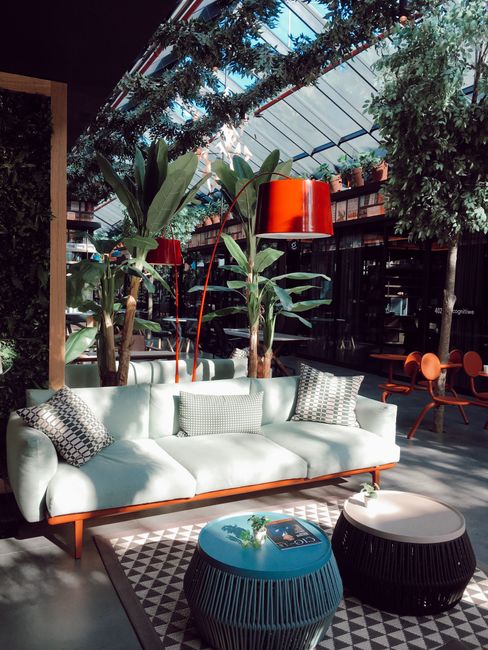
Insider tips Boxpark Croydon upholstery cleaning after events
If you have ever walked into a venue the morning after a busy night and seen sticky patches on the sofa arms, biscuit crumbs ground into cushions, and that faint mix of drinks, perfume, and spilled sauce in the air, you will know the feeling. Post-event upholstery cleaning is not just about making things look tidy again. It is about restoring comfort, protecting fabric, and getting the space back into shape before the next crowd arrives.
This guide on Insider tips Boxpark Croydon upholstery cleaning after events pulls together the practical details that matter most: what to do first, what to avoid, which cleaning methods suit different fabrics, and how to get a better result without making the damage worse. If you are dealing with a busy hospitality setting, a private hire space, or a shared venue close to the Boxpark Croydon area, the advice below will help you think clearly and act fast. And to be fair, fast is usually the difference between a small clean-up and a long headache.
For readers who want to understand how upholstery care fits into a wider clean-up plan, it can also help to look at deep cleaning alongside sofa cleaning and upholstery cleaning. Those pages sit nicely next to the practical advice here, especially if you are managing a bigger refresh after an event.
Table of Contents
- Why post-event upholstery cleaning matters
- How the cleaning process works
- Key benefits and practical advantages
- Who this is for and when it makes sense
- Step-by-step guidance
- Expert tips for better results
- Common mistakes to avoid
- Tools, resources and recommendations
- Law, compliance, standards and best practice
- Options, methods, or comparison table
- Case study or real-world example
- Practical checklist
- Conclusion
- Frequently asked questions
Why Insider tips Boxpark Croydon upholstery cleaning after events Matters
Event spaces take a beating. That is the simple truth. Upholstered chairs, benches, booths, banquettes, lounge seating, and soft furnishings catch the mess that people do not notice at the time: drink rings, food grease, sugar residue, body oils, glitter, mud from shoes, and the occasional mystery mark nobody wants to claim. By the time the music stops and the lights come up, the upholstery may look only slightly dull. But hidden in the fibres can be sticky residue that attracts more dirt later.
In a place with quick turnover, that matters more than people think. A clean sofa or seat does not just look better in daylight; it also feels better to use. Guests notice freshness, even if they cannot explain why. Staff notice too. A well-kept seating area makes the whole venue feel cared for rather than patched together.
There is also a practical side. The longer spills sit, the deeper they travel. Once liquid gets below the surface, you can end up with odour, staining, or water marks that are harder to correct. Some fabrics, especially blends and textured weaves, can hold on to residue like a sponge. Letting it sit overnight is often where small issues become stubborn ones.
For businesses around the Croydon area, post-event cleaning is often part of a bigger routine. You might already be thinking about one-off cleaning after a special event, or even a broader office cleaning schedule if the same space is used for meetings and receptions. The point is the same: upholstery is one of the first surfaces to show wear, and one of the easiest to miss during a rushed reset.
Expert summary: The best post-event upholstery cleaning is quick, gentle, fabric-aware, and targeted. Act early, use the right method, and dry thoroughly. That combination prevents most avoidable damage.
How Insider tips Boxpark Croydon upholstery cleaning after events Works
Good upholstery cleaning starts with inspection. Before any water, spray, or machine is used, the fabric should be checked for its type, colour stability, wear, and visible damage. This is not fussy for the sake of it. It decides everything that follows.
Most professional post-event cleans follow a simple logic:
- Identify the fabric - cotton blends, synthetics, velvet, wool mixes, and leather all react differently.
- Remove loose debris - crumbs, dust, dried napkins, and surface grit are lifted away first.
- Pre-treat stains - targeted spotting helps loosen grease, drink spills, or food marks before deeper cleaning.
- Choose the right cleaning action - low-moisture, hot water extraction, foam, dry cleaning, or specialist care depending on the material.
- Control drying - airflow matters. A clean seat that stays damp can develop odour or re-soil faster.
The method matters because upholstery is not carpet. It often has denser foam, stitched seams, and hidden backing layers that trap moisture. Over-wetting can leave tide marks or make the filling hold water longer than expected. That is one reason experienced teams prefer a controlled approach rather than trying to "soak and hope".
If you are coordinating cleaning in a venue where seating is part of the customer experience, it is worth linking the work to other surface types too. For example, after a lively evening, hard floor cleaning and window cleaning often make the whole space feel properly reset. Upholstery is just one piece of the puzzle, but a very visible one.
What changes after an event?
After an event, upholstery rarely needs a deep overhaul in every case. Sometimes it needs focused spot work and deodorising. Other times, especially after food service or a long event with heavy footfall, the fabric needs a full clean. The correct response depends on the type of use, the fabric, and how quickly the spill or soil was noticed.
That is why an experienced cleaner will often separate "surface dirty" from "deep soiled". They are not the same thing. Not even close.
Key Benefits and Practical Advantages
The obvious benefit is appearance. Fresh upholstery simply makes a venue look better. But the less obvious wins are often more valuable over time.
- Better first impressions - guests are more likely to read a clean seat as a sign of a well-run space.
- Longer fabric life - removing grime before it grinds into fibres helps reduce premature wear.
- Less lingering odour - drink residue, food oils, and body odour can settle into soft furnishings.
- Lower risk of staining - quick action can stop colour transfer from becoming permanent.
- Improved comfort - nobody enjoys sitting on a sticky or stale-feeling cushion.
- Better hygiene standards - especially useful in hospitality, shared workspaces, and event venues.
There is also a commercial angle. If you manage a venue, clean seating helps protect reviews, repeat bookings, and the general feeling of trust. People may not write, "the banquette was immaculately cleaned," but they do notice when it is not. Funny how that works.
For larger properties or mixed-use sites, upholstery care can sit alongside other maintenance tasks such as domestic cleaning in private areas or house cleaning for staff accommodation and back-of-house rooms. When the whole environment is managed consistently, the upholstery lasts longer and looks better between events.
Who This Is For and When It Makes Sense
This topic is most relevant for anyone responsible for seating that gets used hard and cleaned fast. That could be a venue manager, a hospitality operator, a private event host, a facilities team, or a cleaning contractor brought in at short notice.
You are likely to need post-event upholstery cleaning when:
- there has been food or drink service near soft seating
- guests have used furniture heavily over several hours
- there are visible marks, odours, or dull patches
- a function room needs a rapid turnaround before the next booking
- the upholstery has not had a proper deep clean in a while
- there are fabric chairs in dining or reception areas that catch spills often
It also makes sense after seasonal events, launch nights, networking evenings, or celebration bookings where the seating is used more intensely than usual. One practical example: a row of fabric chairs near a drinks station may look mostly fine at the end of the night, yet by the next morning one armrest is tacky, another seat smells faintly sweet, and one cushion has a dark spot that seems to have appeared from nowhere. That is normal. Annoying, but normal.
If you are dealing with a larger cleanup across a site, it can be useful to consider whether the upholstery work should be paired with deep cleaning or a focused cleaning company appointment rather than treating everything as a quick wipe-down. The right approach saves time later.
Step-by-Step Guidance
Here is a sensible, real-world way to tackle event-related upholstery cleaning without making a mess of it.
1. Start with a dry inspection
Look closely before you clean. Check seams, piping, buttons, arms, and lower panels where spills often travel. Smell the fabric too; odour is often a clue that liquid has gone deeper than the surface. If the stain is still wet, blot it gently with absorbent cloth rather than rubbing.
2. Identify the fabric and risk level
Some fabrics can take more moisture than others. Others, especially delicate weaves and certain mixed fibres, need a very light touch. If you are not sure, keep the method conservative. Better a slightly slower clean than a damaged panel with a watermark, which, let's face it, is a frustrating little thing to explain to anyone.
3. Remove loose soil
Vacuuming matters more than many people think. Use a suitable upholstery tool to lift crumbs, dust, and surface grit before any liquid product is applied. This step helps avoid turning dry debris into muddy streaks.
4. Treat spots individually
Drink spills, sauces, and grease each behave differently. Blotting is usually safer than scrubbing. For greasy marks, a specialist upholstery cleaner may be needed, but always test carefully first. If a stain is coloured, do not assume water alone will fix it; sometimes it just spreads the problem.
5. Clean in a controlled way
Depending on the fabric, this may involve low-moisture cleaning, foam application, or hot water extraction with tightly controlled water use. The aim is to clean the fibres while keeping the filling from staying wet for too long.
6. Rinse or extract properly
Cleaning residue left behind can attract new dirt. That is one of the classic mistakes after events: a seat looks better initially, then seems to resoil too quickly because product was not fully removed. A careful extraction stage helps prevent that.
7. Dry with airflow
Open windows if appropriate, use fans, and give the fabric time. Drying is not an optional final step. It is part of the clean. Damp upholstery can trap odour, soften fibres too much, or keep the area off-limits longer than planned.
8. Check again before reopening the space
A second look catches what the first rush misses. Check for tide marks, sticky residue, and any lingering smell. If the seating area will be used again soon, this final inspection is worth every minute.
Expert Tips for Better Results
There are a few small things that make a surprisingly big difference. Not glamorous, but practical. Very practical.
- Blot from the outside in so the stain does not spread wider than it already is.
- Test any product first on a hidden area, especially with coloured or patterned fabric.
- Use as little moisture as needed; excess liquid is one of the main causes of secondary marks.
- Prioritise seams and armrests because these collect oils and transfer marks first.
- Address odour separately if needed; fresh-looking fabric can still smell stale.
- Work in sections when cleaning a whole seating run so nothing dries unevenly.
- Schedule cleaning sooner rather than later after an event, ideally before residue has time to set.
One of the most useful habits is to keep a simple event-cleaning note. Nothing elaborate. Just a short record of what stains were present, which products were used, and how the upholstery responded. That tiny bit of history makes repeat clean-ups much easier.
For venues that host regular events, upholstery maintenance can also sit alongside one-off cleaning visits or planned attention for furniture-rich spaces such as lounges and reception areas. In some cases, pairing it with office cleaners is sensible if the site also has shared work areas. The fabric does not care what room it is in; it just knows when it is dirty.
Common Mistakes to Avoid
Most upholstery problems after events are not caused by the event itself. They are caused by the cleanup. Harsh, but true.
- Rubbing stains aggressively - this pushes soil deeper and can rough up the pile.
- Using too much water - over-wetting leads to slow drying, odour, and distortion.
- Applying the wrong product - some cleaners are too strong for delicate fabric or dyed material.
- Ignoring the fabric label or care notes - if the care guidance exists, it is there for a reason.
- Skipping extraction - leftover detergent often attracts dirt back to the same spot.
- Cleaning only the visible mark - surrounding areas may carry a faint ring or hidden residue.
- Forgetting air movement - a clean seat that stays damp is not really ready yet.
Another common slip is trying to make an upholstered piece look "done" before it is actually dry. It may seem fine for the first hour, then the fibres settle and a patch becomes visible again. That is frustrating, and very avoidable.
Tools, Resources and Recommendations
You do not need a warehouse of kit, but the right tools help. A practical post-event upholstery cleaning setup usually includes:
- a vacuum cleaner with upholstery attachments
- clean white microfibre cloths
- an absorbent towel or blotting cloth
- fabric-safe spotting solution
- an upholstery brush with soft bristles
- a extraction machine or low-moisture cleaning equipment, where suitable
- fans or other airflow support for drying
For larger spaces, it may also be worth aligning upholstery care with other cleaning needs. If floors are also affected, carpet cleaning can be part of the same turnaround. If furniture has taken a heavy hit, a specialist approach through sofa cleaning or rug cleaning may be a better fit for the soft furnishings in that area.
When selecting a cleaning provider or service plan, check for three things: fabric knowledge, realistic drying expectations, and clear communication about what can and cannot be removed. A trustworthy provider will be careful with promises. That usually tells you more than fancy language does.
Law, Compliance, Standards and Best Practice
For event spaces, the main compliance concern is not usually one single regulation about upholstery. It is the broader responsibility to keep the environment reasonably safe, clean, and suitable for use. In practical terms, that means managing spill risks, reducing slip hazards from wet cleaning, and making sure any products used are appropriate for the setting.
Good practice in the UK generally includes:
- following manufacturer care instructions where available
- using cleaning products according to their directions
- keeping work areas safe while cleaning and drying
- recording any exceptional damage or unavoidable staining
- using trained staff or competent contractors for specialist fabrics
If you are working in a shared commercial space, it is sensible to think about the cleaning process alongside your own internal procedures. That can include health and safety steps, access planning, and protecting nearby equipment or finishes. You may also want a clear understanding of insurance and service expectations before any work begins. For that reason, pages such as health and safety policy, insurance and safety, and terms and conditions can be useful reading if you are organising the job through a provider.
There is also a simple environmental angle. Overuse of chemicals and repeated re-cleans are wasteful. If you can clean effectively the first time, with the least product necessary, that is generally the better route. It is cleaner, safer, and less wasteful. Nice and tidy, really.
Options, Methods, or Comparison Table
Different upholstery issues call for different approaches. Here is a straightforward comparison to help you judge what fits the situation.
| Method | Best for | Advantages | Limitations |
|---|---|---|---|
| Vacuum and spot clean | Light post-event soil, crumbs, small drink marks | Fast, inexpensive, minimal moisture | Not enough for deep odour or embedded grime |
| Foam or low-moisture cleaning | General fabric refresh after moderate use | Controlled drying, lower risk of overwetting | May not remove heavily set stains |
| Hot water extraction | Heavier soil, drinks, food residue, odour issues | Deeper clean, strong soil removal | Requires careful drying and suitable fabric |
| Dry cleaning method | Delicate fabrics or situations where minimal moisture is needed | Reduced water exposure | Not ideal for every stain type |
The right method depends less on trend and more on fabric. A fast-drying method is not automatically the best method, and a deep clean is not automatically too much. The balance comes from matching the tool to the problem. Simple, but not always easy in the real world.
Case Study or Real-World Example
Picture a small event space that hosted a private evening reception on a Friday. By Saturday morning, the seating area had a few obvious issues: a pale ring on one armrest, a sticky patch on a cushion, some crumbs in the seams, and a faint food smell near the back row. Nothing dramatic. The sort of mess that looks manageable until you start touching it.
The first step was a dry vacuum across all upholstered seating, not just the visible problem areas. Then the sticky patch was checked for residue before any liquid treatment was applied. The armrest ring was treated gently, with the cleaning kept local so the mark did not spread. Air movement was set up early, which mattered because the room needed to reopen later the same day.
What made the difference was restraint. No scrubbing frenzy. No overuse of product. Just steady, careful work and a final inspection before the room was put back together. By late afternoon, the fabric looked more even, the smell had lifted, and the space felt ready again. Not perfect in a glossy-magazine way, but properly clean. Which, honestly, is what people need.
This is the real lesson behind Insider tips Boxpark Croydon upholstery cleaning after events: most post-event upholstery can be recovered well if it is treated quickly and sensibly. Panic rarely helps. Method does.
Practical Checklist
Use this simple checklist after an event to keep upholstery problems under control:
- Inspect all upholstered seating before starting
- Identify any wet spots, grease marks, or odours
- Vacuum seams, corners, and armrests
- Blot spills gently with clean cloths
- Test cleaning products in a hidden area
- Use the least moisture needed for the fabric
- Extract or wipe away residue properly
- Speed up drying with safe airflow
- Check for rings, sticky patches, and smell after drying
- Document any stains that could not be fully removed
Practical reminder: if a seat feels dry on the surface but cool or slightly heavy underneath, it may still be holding moisture. Give it more time. Rushing the final step can undo the rest of the work.
Conclusion
Post-event upholstery cleaning is one of those jobs that looks small from a distance and slightly chaotic up close. But with the right approach, it does not have to become a nightmare. The key is to act quickly, choose methods that suit the fabric, and respect drying time. That is the whole game, really.
Whether you manage a busy venue, oversee a private function space, or simply need a smarter way to reset furniture after a long night, these insider tips should give you a solid plan. Clean carefully, keep the process controlled, and do not let a small spill become a permanent feature. The space will thank you for it.
Get a free quote today and see how much you can save.
Frequently Asked Questions
How soon should upholstery be cleaned after an event?
As soon as practical. Fresh spills are easier to blot and remove before they set into the fibres. Even a short delay can make a stain harder to shift, especially if it contains sugar, colour, or grease.
Can I clean event stains on upholstery myself?
Yes, for small surface spills and light soil, careful spot cleaning can help. But if the fabric is delicate, the stain is large, or the smell has soaked in, it is safer to use a more controlled professional method.
What is the biggest mistake people make after events?
Usually rubbing too hard or using too much water. Both can push the stain deeper, distort the fabric, or leave tide marks. Gentle blotting is often the better first move.
Why does upholstery sometimes smell bad even after it looks clean?
Because odour can remain inside the foam or backing layers. The surface may look improved while residue still sits underneath. That is why drying and extraction matter so much.
Is hot water extraction safe for all upholstery?
No, not all upholstery. It can be very effective, but some fabrics need low-moisture or dry methods instead. Fabric type and care guidance should decide the method, not habit.
How long does upholstery take to dry after cleaning?
It depends on the fabric, method, ventilation, and room conditions. Light cleaning can dry fairly quickly, while deeper cleaning may take longer. Good airflow makes a noticeable difference.
Should I clean all seating after every event?
Not always. Lightly used furniture may only need vacuuming and a quick check, while high-traffic seating may need deeper attention. The right schedule depends on use, spills, and how the space is booked.
What types of stains are hardest to remove?
Grease, coloured drinks, sauces, and stains that have had time to dry are usually the most stubborn. Mixed stains are also tricky because they behave differently in the fabric.
Can upholstery cleaning help with the overall look of the venue?
Absolutely. Clean seating lifts the whole room. Guests often notice furniture freshness before they consciously notice anything else, especially in reception and lounge areas.
Do I need a specialist for delicate fabrics?
In most cases, yes. Delicate or high-value fabrics are not the place for guesswork. A careful specialist approach reduces the risk of damage, colour run, or shrinkage.
What should I check before booking a cleaning visit after an event?
Check that the cleaner understands your fabric types, can explain the method, and gives realistic drying expectations. It also helps if they are clear about safety, payment, and service terms.
How do I stop upholstery from getting dirty so quickly again?
Regular vacuuming, quicker spill response, and scheduled maintenance all help. If the seating area is used often, a planned cleaning routine is usually more effective than waiting for visible dirt.
Need help with a post-event reset? A careful upholstery clean can make a tired room feel calm again, and that small reset can change the whole mood of the space.