North End carpet cleaning and stain tips Croydon: a practical guide for fresher carpets and fewer stubborn marks
If your carpet has picked up tea spills, muddy footprints, pet accidents, or that mysterious mark that seems to appear overnight, you are in the right place. North End carpet cleaning and stain tips Croydon is really about two things: keeping carpets looking decent for longer, and knowing what to do before a small stain becomes a permanent reminder. In homes across Croydon, a little know-how makes a big difference. Truth be told, most carpet damage happens not from one huge disaster, but from a few small mistakes repeated over time.
This guide breaks down how carpet cleaning works, which stain tips actually help, what to avoid, and when it makes sense to bring in a professional cleaner. It is written for everyday households, landlords, tenants, and anyone trying to keep a room looking welcoming without turning the whole thing into a weekend project.
Why North End carpet cleaning and stain tips Croydon Matters
Carpets do more than soften a room. They hold onto dust, pollen, crumbs, oils from shoes, and the odd spill from a rushed breakfast. In a busy Croydon home, especially where people are coming and going all day, a carpet can move from fresh to tired very quickly. That is where North End carpet cleaning and stain tips Croydon becomes genuinely useful.
What makes it matter most is timing. Fresh stains are usually easier to remove than old ones, and regular cleaning helps stop dirt from settling deep into the pile. Once grit gets worked into the fibres, it acts a bit like sandpaper. Slow damage, not dramatic damage. You may not notice it at first, then one day the carpet looks flat, dull, and frankly a bit sad.
There is also the comfort factor. A properly cleaned carpet changes the feel of a room. It looks brighter, smells cleaner, and makes a space feel looked after. That matters in family homes, rented properties, and even small offices or home workspaces. If you are trying to prepare a property for guests, inspections, or moving day, the difference is obvious.
For local households, stain tips matter because everyday living is messy. Rainy shoes in winter, coffee during the morning rush, pets, kids, building dust after repairs. It all lands somewhere. Having a simple plan means you are less likely to panic and start scrubbing wildly with the nearest bottle under the sink. To be fair, we have all done something like that at least once.
How North End carpet cleaning and stain tips Croydon Works
At its simplest, carpet cleaning is about lifting dirt out of fibres without damaging the backing or leaving too much moisture behind. Stain removal is more selective. You identify the stain, choose the right approach, and work carefully from the outside in. That sounds straightforward, but the detail matters a lot.
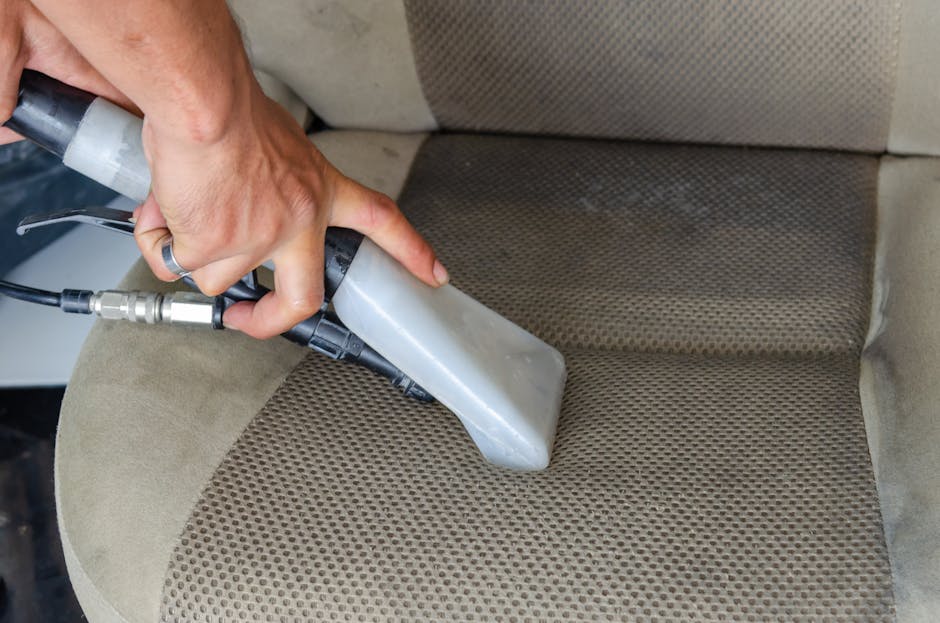
Most professional carpet care uses one of a few methods:
- Hot water extraction for deep cleaning and heavily soiled carpets
- Low-moisture cleaning for quicker drying and lighter maintenance
- Spot treatment for isolated stains and high-risk marks
For stain tips, the order of action matters. Blot first, treat second, rinse carefully, and dry properly. Rubbing usually spreads the stain or pushes it deeper. That one habit causes more trouble than almost anything else. You are not trying to win a wrestling match with the carpet.
Different stains behave differently. A tea stain, for example, often responds well to quick blotting and a mild cleaning solution. Grease behaves differently because it bonds to fibres in another way. Red wine is its own drama entirely. In practice, success depends on matching the treatment to the stain rather than assuming every mark needs the same fix.
If you want the full service side of the picture, you can also look at the main carpet cleaning service and the broader deep cleaning options when a room needs more than a quick surface refresh. For households with mixed surfaces, hard floor cleaning can be part of the same maintenance plan.
Key Benefits and Practical Advantages
Good carpet cleaning is not just about appearance. It solves a few practical problems at once, and that is why people keep coming back to it.
- Better appearance: Colours look more even and fibres stand up again.
- Improved freshness: Smells from pets, spills, and day-to-day use are reduced.
- Longer carpet life: Removing grit and residue helps slow wear.
- Cleaner indoor feel: Less trapped dust and surface debris makes the room feel more comfortable.
- Better stain control: Acting quickly often prevents permanent marking.
There is a financial angle too, although people do not always think about it that way. Replacing carpet is expensive and inconvenient. A sensible cleaning routine can delay that for years. Even if you only clean high-traffic areas and obvious marks, the overall room tends to improve.
One underrated benefit is confidence. If you know how to handle a spill, you stop dreading everyday accidents. That sounds small, but it changes how you live in the space. A knocked mug of coffee becomes a nuisance instead of a crisis.
Who This Is For and When It Makes Sense
North End carpet cleaning and stain tips Croydon is useful for a wide mix of people. The needs are different, but the core problem is the same: keep carpets presentable without making more mess.
- Homeowners who want the house to feel cleaner and more comfortable
- Tenants trying to leave a property tidy for inspections or checkout
- Landlords and letting agents who need rooms to look consistently maintained
- Families with children where spills and muddy shoes are part of life
- Pet owners managing odours, hair, and the occasional accident
- Home workers who want a fresher, more professional space
It also makes sense when the carpet looks tired but is not yet ready for replacement. If the pile is flattened, there are traffic lanes near the sofa, or you can see patches where dirt has settled in, cleaning is often the best next step. In contrast, if a stain has already been left alone for months, you may still improve it, but the expectations should be realistic.
Sometimes the decision is simple. If the stain is fresh, start with careful DIY steps. If the stain is old, large, or from an unknown substance, a professional approach is usually safer. And yes, sometimes the sensible move is to stop poking at it and get help.
Step-by-Step Guidance
Here is a practical method you can follow when a stain appears. It keeps things calm and gives you the best chance of a good result.
- Blot immediately. Use a clean white cloth or paper towel and press gently. Do not scrub.
- Remove solids first. If there is mud, food, or waxy debris, lift what you can without pushing it further in.
- Test a small hidden area. Before using any solution, check that the carpet does not discolour.
- Apply a mild cleaner sparingly. Start light. More product is not automatically better.
- Work from the outside in. This helps stop the stain spreading.
- Blot again with clean cloths. Repeat until transfer reduces.
- Rinse carefully. Use a little clean water if needed, but do not soak the carpet.
- Dry thoroughly. Open windows where possible or use airflow to help.
For larger refreshes, break the job into areas. Hallway first, then living room edges, then the main seating zone. That way you do not leave a wet patch walking through the room, which is annoying and a bit risky. If you are dealing with a property that also needs other jobs, domestic cleaning or a broader one-off cleaning visit can make sense as part of a bigger reset.
Expert Tips for Better Results
There are a few simple habits that make a big difference. They are not glamorous, but they work.
Act fast, but stay calm
The first minute matters. The next ten matter too. Still, panic is not a cleaning method. Blot, assess, then choose the right step. You will usually do better if you slow down for thirty seconds than if you start attacking the stain with enthusiasm and no plan.
Use less moisture than you think
Over-wetting is one of the easiest ways to make a carpet smell damp or wick a stain back up from below. A carpet that looks clean on the surface can still be trouble underneath if water has gone too deep. That is especially true near underlay and seams.
Always finish with proper drying
Drying is not the boring final step; it is part of the clean. Good airflow helps stop lingering smells and reduces the chance of re-soiling. A clean carpet that stays damp too long can attract dust faster than expected.
Match the method to the fibre
Wool, synthetic blends, and delicate decorative rugs can all react differently. If you are unsure what your carpet is made from, take the cautious route. In some cases, the safest plan is to use a specialist rather than experimenting at home.
Keep a stain kit ready
A small kit saves time. A white cloth, mild carpet cleaner, a soft brush, and a dry towel are usually enough for first response. Nothing fancy. Just ready.
Common Mistakes to Avoid
Most carpet problems happen because someone tried to help too quickly. That is not a criticism, just reality.
- Rubbing instead of blotting can push the stain deeper and damage fibres.
- Using harsh chemicals first may bleach or spread the mark.
- Adding too much water can cause wicking, odours, or longer drying times.
- Ignoring the stain type leads to poor results. Grease is not tea, and tea is not paint.
- Skipping a patch test is a gamble you do not need to take.
- Using coloured cloths can transfer dye onto pale carpet. It happens more often than people expect.
A common mistake in Croydon homes, especially during busy mornings, is cleaning while the room still has traffic. You mop, you step across it, you track dirt back in. Endlessly frustrating. If possible, give the area a bit of breathing room while it dries.
Tools, Resources and Recommendations
You do not need a shed full of gear to keep carpets in decent shape. A few sensible tools are enough for most homes.
- White absorbent cloths for blotting without colour transfer
- A vacuum with good suction to remove dry soil before it sinks in
- A soft brush for loosening surface debris gently
- Mild carpet cleaning solution suitable for your carpet type
- Dry towels or paper towels for fast response to spills
If you are comparing support services, it may also be useful to look at rug cleaning for moveable floor coverings and upholstery cleaning if sofas and chairs have the same spill patterns as the carpet. In real homes, these issues tend to travel together. The coffee ends up on the rug, then the sofa, then somehow the cushion. Classic.
For people who want more than a spot clean, a professional carpet cleaner can assess fibre type, stain age, and drying needs before starting. If the property has just had renovation dust or plaster residue, after builders cleaning can also be relevant because construction dust behaves differently from everyday dirt.
Law, Compliance, Standards, or Best Practice
For ordinary household carpet cleaning, there is usually no special legal hurdle to worry about. The more useful focus is on best practice, safety, and care for the property. That includes using appropriate products, ventilating rooms well, and following any manufacturer guidance for the carpet itself.
If you are hiring a cleaning company, it is sensible to look for clear information on safety, insurance, and how work is handled. A trustworthy provider should be able to explain the process, give realistic expectations, and treat your home carefully. You can also review practical details such as insurance and safety information, health and safety policy, terms and conditions, and payment and security if you want to understand how a service is structured.
Good practice also means being honest about limitations. Some stains can be improved a lot but not erased completely, especially if they have set in or altered the fibre colour. That is not failure; it is just how materials behave. A careful technician will tell you that straight, which is what you want.
Options, Methods, or Comparison Table
If you are deciding how to handle a mark, this simple comparison can help.
| Method | Best for | Pros | Limitations |
|---|---|---|---|
| Blotting and mild spot treatment | Fresh spills and light marks | Quick, inexpensive, low risk | May not shift deep or old stains |
| DIY carpet shampooing | Moderate surface dirt | Accessible and flexible | Easy to over-wet or leave residue |
| Professional hot water extraction | Deep dirt, traffic lanes, mixed stains | More thorough, often better drying with proper equipment | Needs planning and temporary room access |
| Specialist stain treatment | Red wine, dye transfer, pet issues, grease | Targeted approach, better chance of saving fibres | Not every stain can be fully removed |
In many homes, the sweet spot is a mix of methods. Quick DIY for new spills, then periodic professional cleaning for the heavier build-up. That approach is practical, not fussy, and it usually gives the best value over time.
Case Study or Real-World Example
A fairly typical Croydon scenario: a family in a North End property notices dark tracks through the hallway and a coffee mark in the living room. Nothing dramatic. Just everyday wear building up. They try a bit of spot cleaning on the coffee mark, but the hallway still looks dull because the problem is not one stain, it is accumulated soil.
The fix is twofold. First, treat the coffee stain carefully with blotting and a mild solution. Second, clean the whole traffic area so the colour looks even again. Once the carpet dries, the room feels noticeably brighter, and the marks do not stand out in the same way. That is the key thing people sometimes miss: one stain can be isolated, but a tired carpet usually needs a broader reset.
Another common example is a rented flat before inventory. A tenant may think only visible stains matter, but the overall impression matters too. Edges, doorways, and the area around furniture often tell the real story. A careful clean across the main zones can make the whole property look far better without overdoing anything.
Practical Checklist
Use this checklist when dealing with carpet stains or planning a deeper clean.
- Identify the stain quickly
- Blot, do not rub
- Test any cleaner in a hidden spot
- Use the smallest effective amount of solution
- Avoid soaking the carpet
- Rinse lightly if needed
- Dry with airflow and patience
- Vacuum once fully dry
- Check for scent, residue, or colour change
- Book a professional clean if the stain is old, large, or recurring
Expert summary: the best carpet care is usually simple, fast, and calm. Deal with spills early, avoid excess water, and use professional help when the stain is beyond a sensible DIY fix. That approach saves time, saves carpet life, and saves a fair bit of frustration too.
If your carpets need a broader refresh, you may also find it useful to explore the wider cleaning company services alongside carpet care, especially when the whole property is due a tidy-up rather than one isolated job.
Conclusion
North End carpet cleaning and stain tips Croydon comes down to one straightforward idea: act early, clean carefully, and do not make a small problem bigger by rushing. A good stain response protects the carpet, keeps the room looking cared for, and helps you avoid unnecessary replacement costs. The same goes for routine cleaning. Small, regular attention beats a heroic clean once every year, hands down.
Whether you are dealing with a fresh spill, preparing for visitors, or trying to bring a bit of life back to a worn hallway, the right method makes the job easier. And if a stain is stubborn, do not feel bad about calling in help. Sometimes that is the smart move, not the lazy one.
Get a free quote today and see how much you can save.
At the end of the day, a cleaner carpet just makes a home feel more settled. Simple as that.
Frequently Asked Questions
What is the best first step for a fresh carpet stain?
Blot it gently with a clean white cloth straight away. Avoid rubbing, because that usually pushes the stain deeper and spreads it further across the fibres.
Can I use normal household cleaner on my carpet?
Sometimes, but not always. It depends on the carpet fibre and the stain type. Always test in a hidden area first, and use only a small amount.
How often should carpets be professionally cleaned?
It depends on traffic, pets, children, and general wear. Busy homes often benefit from more regular cleaning than quieter rooms, especially in hallways and living areas.
Why does a stain sometimes come back after cleaning?
That is often due to wicking, where residue from deeper in the carpet rises to the surface as it dries. Proper blotting, rinsing, and drying help reduce that risk.
Is steam cleaning safe for all carpets?
No, not automatically. Some carpets handle hot water extraction well, while others need a gentler approach. Fibre type and backing matter a great deal.
What stains are hardest to remove?
Dye transfer, old grease, pet stains, and some red wine marks can be especially stubborn. The longer they stay in the carpet, the harder they are to shift fully.
Should I vacuum before treating a stain?
If the area has loose dirt or dry debris, yes. Vacuuming first helps stop grit from turning into mud when you apply a cleaning solution.
How long does carpet cleaning usually take to dry?
Drying time varies with method, room ventilation, carpet thickness, and humidity. Good airflow helps a lot. If the carpet is still damp after a while, keep the room ventilated.
Can carpet cleaning remove smells as well as stains?
Often yes, particularly when the smell comes from dirt, spills, or light pet contamination. Strong or deep odours may need targeted treatment and more thorough cleaning.
What if I do not know what caused the stain?
Be cautious. Unknown stains can react badly to the wrong product. Start with gentle blotting and avoid strong chemicals until you know more about the mark.
Is it worth cleaning a carpet that already looks very worn?
Usually, yes. If the fibres are still intact, cleaning can improve appearance and freshness even when the carpet has visible age. It may not look brand new, but it can look much better.
When should I stop DIY and call a professional?
If the stain is large, old, recurring, or tied to pet accidents, it is sensible to get help. The same applies if you are worried about damage, discolouration, or over-wetting the carpet.